
Hear from Our Customers
You’ve noticed the musty smell. Maybe someone in your house has been coughing more than usual, or you spotted discoloration on a basement wall. You’re not imagining it.
Mold doesn’t announce itself until it’s already a problem. By the time you see it, there’s usually more growing where you can’t. That’s the part that costs you—in health, in money, in stress during a real estate transaction that suddenly hits a wall.
Professional mold testing tells you what’s actually there. Not a guess. Not a maybe. We use thermal imaging to spot moisture you can’t see, air sampling to measure what you’re breathing, and surface testing to identify exactly what type of mold you’re dealing with. You get a clear picture of the situation, the severity, and what needs to happen next.
Bucksville’s humid summers create perfect conditions for mold. Your AC runs constantly, condensation builds up, and basements stay damp. Older homes in Bucks County—especially ones with previous water issues—are even more vulnerable. Catching it early means you’re looking at hundreds in fixes instead of thousands in repairs.
We’ve been helping Bucksville and Bucks County homeowners deal with mold for years. We’re not the company that shows up with a flashlight and a clipboard. We bring infrared moisture mapping, high-accuracy air sampling equipment, and decades of construction experience that tells us where problems hide.
You’re not getting a sales pitch. You’re getting an honest evaluation from someone who’s seen what happens when mold gets ignored—and what it takes to actually fix it. We’ve worked with homeowners trying to close on a sale, buyers who need answers before they sign, and families who just want to breathe easier in their own home.
We know Bucksville. We know the homes here, the climate challenges, and what mold looks like in this area. That matters when you need someone who can assess your situation quickly and accurately.
We start with a visual inspection of your property. That means checking the obvious spots—basements, bathrooms, attics, crawl spaces—and the not-so-obvious ones where moisture tends to hide. We’re looking for visible mold, water stains, condensation patterns, and any signs of past or current leaks.
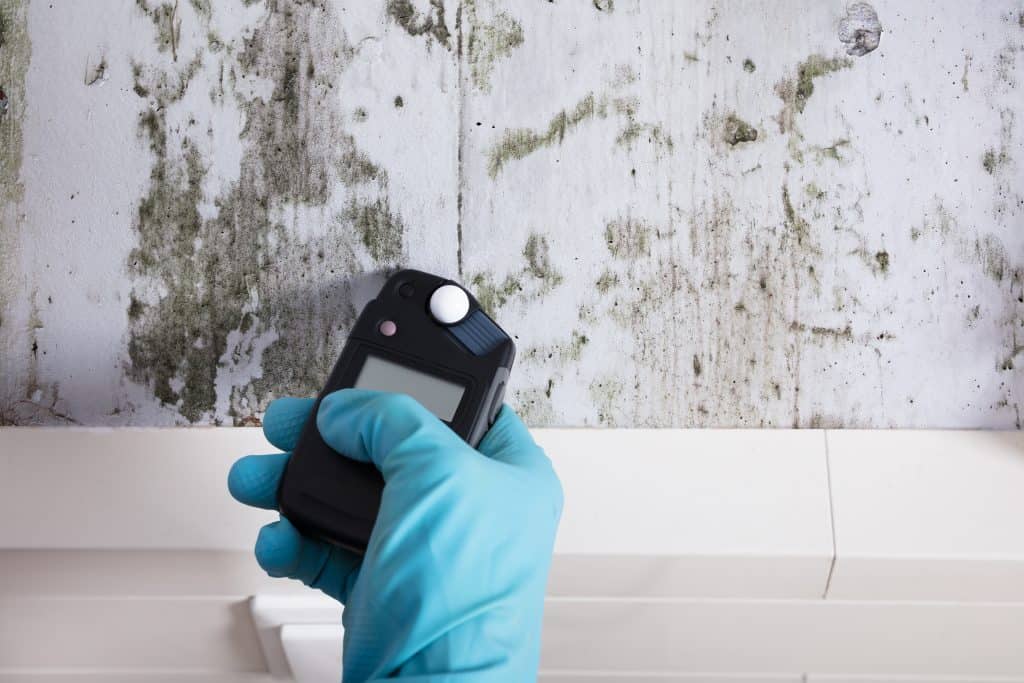
Next comes the technology. We use thermal imaging cameras to detect temperature differences that indicate moisture behind walls or under floors. Moisture meters give us exact readings so we know if conditions are right for mold growth, even if you can’t see it yet. If we find areas of concern, we take air samples to measure mold spore levels in your indoor air and compare them to outdoor levels.
When surface testing is needed, we collect samples and send them to a lab for analysis. This tells us exactly what type of mold you’re dealing with—whether it’s the black mold everyone worries about or something less severe. You get a detailed report that breaks down what we found, where we found it, and what it means for your home.
The whole process usually takes a few hours depending on your property size. You’ll have answers within 24 hours, sometimes sooner. No waiting weeks. No vague assessments. Just clear information about what’s happening in your home and what needs to happen next.
Ready to get started?
Every mold inspection includes a complete visual assessment of your property, moisture readings using professional-grade meters, and thermal imaging to detect hidden water issues. You’re not paying for someone to look around with a flashlight. You’re getting diagnostic tools that actually find problems.
Air quality testing measures the concentration of mold spores in your indoor environment. This matters because you can have a serious mold problem without seeing any visible growth. If you’re breathing in spores every day, that’s affecting your health whether you can see the source or not.
Surface sampling identifies the specific type of mold when we find visible growth or suspect contamination in a particular area. Different molds require different approaches, and some are more concerning than others. Lab analysis gives you definitive answers instead of guesswork.
In Bucks County, we’re dealing with high humidity levels during summer months, older housing stock with aging infrastructure, and plenty of homes with basements that stay damp year-round. These conditions make professional testing more important, not less. A $300-500 inspection can save you from a $5,000+ remediation project that could have been caught earlier.
You also get a written report that’s detailed enough to be useful but clear enough to actually understand. If you’re buying or selling a home, this documentation matters. If you’re dealing with a landlord or insurance company, you need proof. We give you both the technical data and the plain-English explanation.
Most residential mold inspections in Bucksville run between $300 and $600 depending on your home’s size and how extensive the testing needs to be. A basic inspection for a smaller home with a single area of concern will cost less than a full assessment of a larger property with multiple potential problem areas.
That price typically includes the visual inspection, moisture readings, thermal imaging, and a written report. If you need air sampling or lab analysis of surface samples, that may add to the cost, but we’ll tell you upfront what’s necessary and what’s optional based on what we’re seeing.
Some companies charge less but show up with minimal equipment and give you a vague assessment. Others charge more and try to sell you remediation services whether you need them or not. We’re somewhere in the middle—professional-grade testing without the pressure tactics. You’re paying for accurate information, not a sales pitch.
You can, but here’s what you’re actually getting: a kit that tells you mold is present, which isn’t particularly useful since mold spores exist in virtually every indoor environment. What matters is the type of mold, the concentration levels, and where it’s growing.
DIY kits can’t tell you if you have a moisture problem behind your walls. They can’t measure air quality throughout your home or identify hidden growth in your HVAC system. They can’t give you the documentation you need for a real estate transaction or insurance claim. And they definitely can’t tell you what’s causing the problem or how to fix it.
Professional testing finds the mold you can’t see and identifies the source of moisture that’s feeding it. That’s the difference between spending $15 on a kit that confirms you have mold somewhere and spending a few hundred on an inspection that tells you exactly where it is, how bad it is, and what to do about it. If you’re dealing with health symptoms, planning to buy or sell, or you’ve had water damage, professional testing isn’t optional.
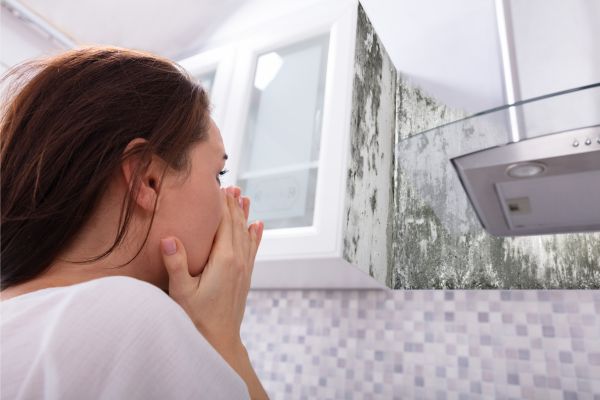
Musty odors are usually the first sign, especially in basements, bathrooms, or areas that don’t get much airflow. If you smell something that reminds you of wet cardboard or old gym socks, that’s mold growing somewhere.
Health symptoms that improve when you leave the house are another red flag. Persistent coughing, sneezing, watery eyes, headaches, or respiratory issues that seem worse at home and better at work or when you’re traveling—that’s your body reacting to something in your indoor air. Visible discoloration on walls, ceilings, or around windows is obvious, but by the time you see growth, there’s often more hiding behind surfaces.
Water damage history matters too. If you’ve had a leak, flooding, or even just persistent condensation issues, mold testing makes sense even if you don’t see or smell anything yet. Bucksville’s humid climate means moisture problems don’t always dry out on their own. If you’re buying a home with a damp basement or selling a property and want to address issues before they kill your deal, testing gives you answers before problems get worse.
The actual inspection usually takes two to four hours depending on your home’s size and how many areas need detailed assessment. We’re thorough, but we’re not wasting your time. You can be present during the inspection or not—whatever works better for your schedule.
You’ll get a preliminary assessment the same day. We’ll walk you through what we found, show you problem areas, and give you an initial sense of what you’re dealing with. If we collected air or surface samples for lab analysis, those results typically come back within 24 to 48 hours. Once we have the lab data, we’ll send you a complete written report that includes all findings, test results, and recommendations.
That timeline matters when you’re in the middle of a real estate transaction or dealing with a situation that’s affecting your family’s health. We’ve evaluated properties in less than 24 hours when timing was critical. Some companies make you wait a week or more for results. We don’t see the point in that. You need information quickly so you can make decisions and move forward.
Mold inspection is the visual assessment—walking through your property, looking for visible growth, checking for moisture issues, identifying conditions that promote mold. It’s the detective work that tells us where problems exist or are likely to develop.
Mold testing is the lab work—collecting air samples, surface samples, or bulk samples and analyzing them to identify specific mold types and concentration levels. Testing gives you scientific data about what’s in your environment and how severe the contamination is.
Most professional services include both, because you need both to get a complete picture. The inspection finds the problems. The testing confirms what you’re dealing with and how serious it is. Some situations only require inspection—if we find obvious mold growth and the source is clear, you might not need lab analysis to move forward with remediation. Other situations require testing—if you’re experiencing health symptoms but can’t locate visible mold, air quality testing tells us what’s in your environment even when we can’t see the source. We’ll recommend what’s actually necessary for your specific situation, not just run every test because we can.
No. We’re here to give you accurate information about what’s happening in your home. If you have a minor issue that you can address yourself with proper cleaning and moisture control, we’ll tell you that. If you have a serious problem that requires professional remediation, we’ll tell you that too.
Some companies use mold testing as a lead generation tool—they come in, find problems (or exaggerate minor issues), and immediately pressure you into expensive remediation contracts. That’s not how we operate. You’ll get a straightforward assessment based on what we actually find, not what we want to sell you.
Our job is testing and evaluation. Yes, we offer remediation services when they’re needed, but plenty of our inspections result in recommendations that don’t involve hiring us for additional work. We’d rather build a reputation for honesty than make a quick sale by scaring homeowners into services they don’t need. You’ll get the facts, the options, and the freedom to decide what makes sense for your situation and budget.
Other Services we provide in Bucksville